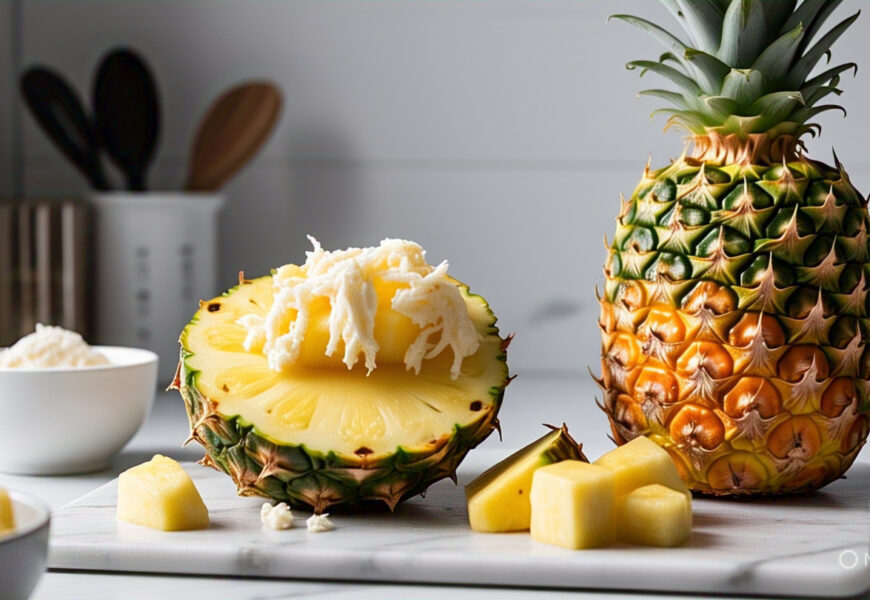
Pineapple, a tropical fruit known for its sweet-tangy flavor and juicy texture, is a popular choice for snacks, desserts, and culinary dishes worldwide. While primarily valued for its vitamins, minerals, and digestive enzyme bromelain, pineapple also contributes a small amount of protein to the diet. This article provides an in-depth analysis of the protein content in 100 grams, 200 grams, 500 grams, and 1 kilogram of pineapple, exploring variations based on preparation (fresh, canned, dried), nutritional benefits, and practical applications in a balanced diet. A detailed table summarizes the protein content, and external references from sources like USDA FoodData Central and Healthline provide data-backed insights.
Protein Content Across Different Quantities of Pineapple
Pineapple is primarily a carbohydrate-rich fruit with high water content (about 86%), making its protein contribution minimal compared to protein-dense foods like legumes or meat. Below, we detail the protein content for the specified quantities, focusing on fresh pineapple, as this is the most common form consumed. We also consider canned and dried pineapple for comparison. Values are approximate, sourced from USDA FoodData Central, and reflect edible portions unless stated otherwise.
Protein in 100 Grams of Pineapple
The protein content in 100 grams of pineapple varies by preparation:
-
Fresh Pineapple (raw): Approximately 0.54 grams of protein, 50 calories, 0.12 grams of fat, and 13.1 grams of carbohydrates. Fresh pineapple is low in protein but rich in vitamin C and manganese.
-
Canned Pineapple (in juice, drained): Around 0.51 grams of protein, 60 calories, 0.11 grams of fat, and 15.7 grams of carbohydrates. Canning slightly increases sugar content but maintains similar protein levels.
-
Dried Pineapple (unsweetened): About 1.4 grams of protein, 245 calories, 0.6 grams of fat, and 64.1 grams of carbohydrates. Drying concentrates nutrients, including protein, due to water removal.
Pineapple’s protein is incomplete, lacking sufficient amounts of certain essential amino acids, so it should be paired with other protein sources for nutritional balance.
Factors Influencing Protein Content
-
Preparation Method: Fresh and canned pineapple have similar protein content, while drying increases protein density due to reduced water content. Sweetened canned or dried pineapple may have diluted nutrient profiles due to added sugars.
-
Edible Portion: Only the flesh is typically consumed; the core and skin are inedible, reducing the effective protein yield in whole pineapples.
-
Variety: Common varieties (e.g., Smooth Cayenne, Queen) have similar protein profiles (~0.5–0.6 g/100 g fresh).
-
Processing: Juicing may slightly reduce protein due to filtration, though data is limited.
Protein in 200 Grams of Pineapple
To calculate protein in 200 grams, multiply the per-100-gram values by 2:
-
Fresh Pineapple: ~1.08 grams of protein (0.54 g × 2), 100 calories, 0.24 grams of fat, 26.2 grams of carbohydrates.
-
Canned Pineapple: ~1.02 grams of protein (0.51 g × 2), 120 calories, 0.22 grams of fat, 31.4 grams of carbohydrates.
-
Dried Pineapple: ~2.8 grams of protein (1.4 g × 2), 490 calories, 1.2 grams of fat, 128.2 grams of carbohydrates.
A 200-gram serving of fresh pineapple (about 1.5 cups, diced) is a typical snack or dessert portion, providing minimal protein but significant hydration and micronutrients. Dried pineapple offers slightly more protein but is calorie-dense, requiring moderation.
Practical Applications
A 200-gram portion of fresh pineapple is ideal for post-workout hydration or as a refreshing snack. Pair with protein-rich foods like Greek yogurt or nuts to enhance nutritional balance. Dried pineapple can be used sparingly in trail mixes or baked goods.
Protein in 500 Grams of Pineapple
For 500 grams, multiply the per-100-gram values by 5:
-
Fresh Pineapple: ~2.7 grams of protein (0.54 g × 5), 250 calories, 0.6 grams of fat, 65.5 grams of carbohydrates.
-
Canned Pineapple: ~2.55 grams of protein (0.51 g × 5), 300 calories, 0.55 grams of fat, 78.5 grams of carbohydrates.
-
Dried Pineapple: ~7.0 grams of protein (1.4 g × 5), 1,225 calories, 3.0 grams of fat, 320.5 grams of carbohydrates.
A 500-gram serving of fresh pineapple (about 3–4 cups, diced) is suitable for sharing or multiple servings, contributing negligible protein but high levels of vitamin C (131 mg/100 g). Dried pineapple in this quantity is impractical due to excessive calories.
Considerations for Large Portions
Consuming 500 grams of fresh pineapple is feasible across meals or snacks, providing hydration and digestive benefits from bromelain. However, large amounts of dried pineapple can lead to excessive sugar and calorie intake, so limit to small portions (e.g., 20–50 g).
Protein in 1 Kilogram of Pineapple
For 1 kilogram (1,000 grams), multiply the per-100-gram values by 10. For whole pineapples, edible flesh constitutes about 50–60% of total weight due to the core, skin, and crown, but we focus on the edible portion.
-
Fresh Pineapple: ~5.4 grams of protein (0.54 g × 10), 500 calories, 1.2 grams of fat, 131.0 grams of carbohydrates.
-
Canned Pineapple: ~5.1 grams of protein (0.51 g × 10), 600 calories, 1.1 grams of fat, 157.0 grams of carbohydrates.
-
Dried Pineapple: ~14.0 grams of protein (1.4 g × 10), 2,450 calories, 6.0 grams of fat, 641.0 grams of carbohydrates.
A 1-kg portion of fresh pineapple flesh (about 6–7 cups, diced) is typically consumed over multiple servings or by a group. It provides minimal protein (less than 10% of daily needs for a 70-kg person requiring 56 g) but is rich in antioxidants and enzymes. Dried pineapple in this quantity is not realistic for dietary purposes due to high caloric content.
Protein Content Table
The following table summarizes the protein content and nutritional profile for 100 g, 200 g, 500 g, and 1 kg of pineapple across common preparations.
|
Pineapple Type |
Quantity |
Protein (g) |
Calories (kcal) |
Fat (g) |
Carbohydrates (g) |
|---|---|---|---|---|---|
|
Fresh (raw) |
100 g |
0.54 | 50 | 0.12 | 13.1 |
|
Fresh (raw) |
200 g |
1.08 | 100 | 0.24 | 26.2 |
|
Fresh (raw) |
500 g |
2.7 | 250 | 0.6 | 65.5 |
|
Fresh (raw) |
1 kg |
5.4 | 500 | 1.2 | 131.0 |
|
Canned (in juice) |
100 g |
0.51 | 60 | 0.11 | 15.7 |
|
Canned (in juice) |
200 g |
1.02 | 120 | 0.22 | 31.4 |
|
Canned (in juice) |
500 g |
2.55 | 300 | 0.55 | 78.5 |
|
Canned (in juice) |
1 kg |
5.1 | 600 | 1.1 | 157.0 |
|
Dried (unsweetened) |
100 g |
1.4 | 245 | 0.6 | 64.1 |
|
Dried (unsweetened) |
200 g |
2.8 | 490 | 1.2 | 128.2 |
|
Dried (unsweetened) |
500 g |
7.0 | 1,225 | 3.0 | 320.5 |
|
Dried (unsweetened) |
1 kg |
14.0 | 2,450 | 6.0 | 641.0 |
Source: USDA FoodData Central
Nutritional Benefits Beyond Protein
Pineapple offers a range of nutritional benefits beyond its modest protein content:
-
Bromelain: A digestive enzyme that aids protein digestion, reduces inflammation, and may support recovery, as noted in Medical News Today.
-
Vitamins and Minerals: High in vitamin C (47.8 mg/100 g, ~80% of daily needs), manganese (0.9 mg/100 g, ~40% of daily needs), and smaller amounts of B vitamins, supporting immunity, bone health, and metabolism.
-
Antioxidants: Contains flavonoids and phenolic acids, which may reduce oxidative stress and chronic disease risk.
-
Low Calories: At 50 calories/100 g (fresh), pineapple is ideal for weight management.
-
Hydration: With 86% water, it supports hydration, especially post-exercise.
Health and Fitness Applications
-
Digestive Health: Bromelain may aid digestion, particularly when paired with protein-rich meals.
-
Weight Management: Low-calorie fresh pineapple promotes satiety and fits calorie-controlled diets.
-
Post-Workout Recovery: Hydration, vitamin C, and bromelain support muscle recovery and reduce inflammation.
-
Plant-Based Diets: While not a protein source, pineapple complements high-protein foods like legumes or tofu, adding flavor and nutrients.
-
Immune Support: High vitamin C content boosts immunity, beneficial during cold seasons.
Practical Tips for Incorporating Pineapple
-
Portion Control: Aim for 100–200 grams of fresh pineapple per serving for snacks or desserts. Limit dried pineapple to 20–50 grams due to high sugar and calories.
-
Preparation: Eat fresh pineapple diced, in smoothies, or grilled. Use canned pineapple (in juice, not syrup) for convenience. Avoid sweetened dried pineapple to reduce sugar intake.
-
Variety: Combine with protein-rich foods (e.g., cottage cheese, nuts) for balanced meals. Use in salads, salsas, or desserts for flavor variety.
-
Storage: Store whole pineapples at room temperature for up to 2 weeks; cut pineapple lasts 3–5 days in the fridge. Dried pineapple can be stored in airtight containers for months.
-
Flavoring: Enhance with mint, chili, or lime for savory dishes, or pair with yogurt for sweet snacks, as suggested by The Spruce Eats.
Potential Risks and Considerations
-
Low Protein: Pineapple’s minimal protein content (0.5–1.4 g/100 g) requires pairing with protein-rich foods to meet daily needs (e.g., 56 g for a 70-kg person).
-
Sugar Content: Fresh pineapple has 9.9 g sugar/100 g, and dried or canned versions are higher. Moderate intake for those with diabetes or insulin resistance.
-
Acidity: Pineapple’s acidity may irritate sensitive mouths or stomachs; consume with other foods to buffer.
-
Allergies: Rare but possible; consult a doctor if symptoms arise.
-
Sustainability: Choose locally sourced or organic pineapples to support sustainable farming, as recommended by Environmental Working Group.
Conclusion
Pineapple provides modest protein—0.54 grams per 100 grams, 1.08 grams per 200 grams, 2.7 grams per 500 grams, and 5.4 grams per 1 kilogram for fresh flesh, with dried pineapple offering up to 14 grams per 1 kg. While not a significant protein source, its low calories, high vitamin C, bromelain, and antioxidants make it a valuable addition to a balanced diet. By incorporating fresh pineapple for hydration and flavor, using dried pineapple sparingly, and pairing with protein-rich foods, you can leverage its nutritional benefits. Pineapple shines as a refreshing, nutrient-packed fruit for snacks, meals, and recovery.
Also visit:
- Protein Content in Chicken: A Comprehensive Guide
- Protein Content in Soybeans
- Protein Content in Eggs: A Comprehensive Guide
- Protein Content in Apples: A Comprehensive Guide
- Protein Content in Pears: A Comprehensive Guide