
In today’s health-conscious world, many people are turning to traditional and nutrient-dense foods for better wellness. wellhealthorganic.com : buffalo milk good for health is a topic that has gained significant attention, especially among those seeking richer, more nourishing alternatives to regular dairy. Buffalo milk, often praised for its creamy texture and superior nutritional profile, stands out as a powerhouse of essential nutrients. Produced abundantly in countries like India, Pakistan, and China, this milk offers a unique blend of proteins, fats, vitamins, and minerals that can support overall vitality. Whether you’re looking to strengthen bones, boost immunity, or simply enjoy a more satisfying dairy option, exploring wellhealthorganic.com : buffalo milk good for health opens up a world of potential benefits backed by nutrition science and traditional wisdom.
Understanding Buffalo Milk: A Nutrient-Dense Superfood
wellhealthorganic.com : buffalo milk good for health begins with recognizing its remarkable composition. Unlike cow’s milk, buffalo milk is thicker, whiter, and richer due to higher levels of fat, protein, and total solids. According to nutritional data, one cup (approximately 244 ml) of buffalo milk provides around 237–243 calories, compared to just 149 calories in whole cow’s milk. It contains about 9 grams of protein (versus 8 grams in cow’s milk), 17 grams of fat (versus 8 grams), and 12–13 grams of carbohydrates, primarily in the form of lactose.
Key minerals shine brightly in buffalo milk. It delivers roughly 412 mg of calcium per cup—meeting about 32% of the daily value—along with 285 mg of phosphorus, 75.6 mg of magnesium, 434 mg of potassium, and notable amounts of zinc, copper, and manganese. Vitamins are equally impressive: it supplies vitamin A (supporting vision and immunity), vitamin B12 (crucial for nerve health and red blood cell formation), vitamin B6, riboflavin, niacin, folate, and small amounts of vitamins C and E. The fat content includes a healthy mix of saturated and monounsaturated fatty acids, plus bioactive compounds like casein-derived peptides and antioxidants that set it apart from many other dairy options.
This dense nutritional makeup makes buffalo milk ideal for growing children, athletes, pregnant women, and anyone needing extra calories and protein in their diet. Its lower water content (around 83%) gives it a luxurious, creamy consistency perfect for making traditional Indian favorites like ghee, paneer, yogurt, and desserts such as rasmalai or kulfi.
wellhealthorganic.com : Buffalo Milk Good For Health – Detailed Nutritional Comparison with Cow’s Milk
To truly appreciate wellhealthorganic.com : buffalo milk good for health, a side-by-side comparison is essential. Buffalo milk consistently outperforms cow’s milk in most macronutrients and many micronutrients per serving:
- Calories & Energy: Buffalo milk offers nearly 60% more calories, making it a superior energy source for active individuals or those recovering from illness.
- Protein: Higher casein content (about 89% of total protein) supports muscle repair and satiety, helping control appetite.
- Fat: Almost double the fat content provides sustained energy and better absorption of fat-soluble vitamins like A and E.
- Calcium & Bone Minerals: 32% DV calcium versus 21% in cow’s milk, plus superior phosphorus and magnesium ratios for optimal bone mineralization.
- Cholesterol: Interestingly, despite higher fat, buffalo milk often contains lower cholesterol levels than cow’s milk, benefiting heart-conscious consumers.
- Antioxidant Capacity: Studies show buffalo milk’s total antioxidant activity reaches 56–58%, significantly higher than cow’s milk’s 40–42%, thanks to richer phenolic compounds and monounsaturated fats.
These differences explain why buffalo milk is preferred in many Asian cultures for producing high-quality dairy products that are denser and more flavorful. For those with higher nutritional demands, switching to or incorporating buffalo milk can be a game-changer.
Major Health Benefits Highlighted by wellhealthorganic.com : Buffalo Milk Good For Health
wellhealthorganic.com : buffalo milk good for health emphasizes multiple evidence-based advantages that go beyond basic nutrition.
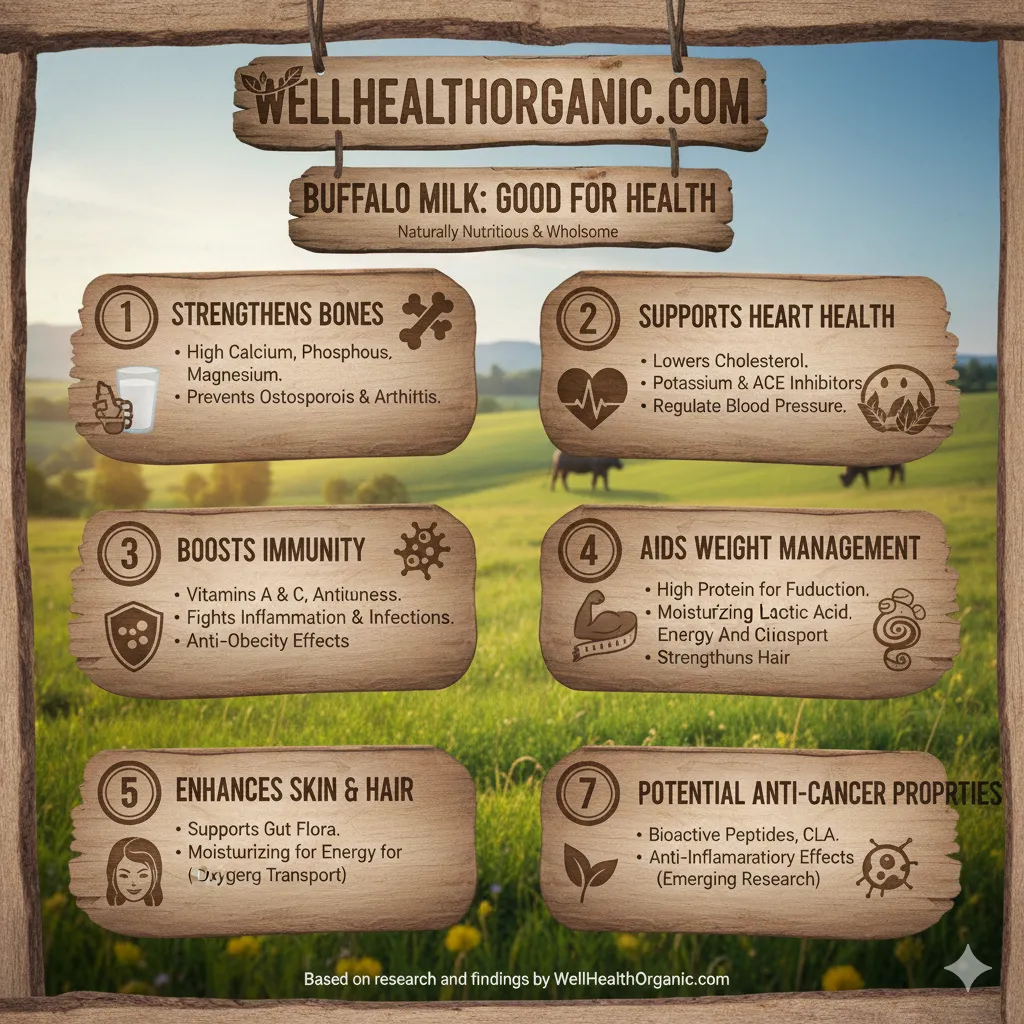
1. Strengthens Bones and Prevents Osteoporosis
The high calcium, phosphorus, and magnesium content, combined with casein-derived peptides, actively promotes bone density and reduces bone resorption. Research in animal models demonstrates these peptides increase bone formation while decreasing breakdown, offering protection against osteoporosis and arthritis. Regular consumption supports skeletal health across all age groups, especially postmenopausal women and growing children.
2. Supports Heart Health and Blood Pressure Regulation
Buffalo milk is relatively low in cholesterol compared to its fat content and rich in potassium (434 mg per cup), which helps relax blood vessels. The whey protein beta-lactoglobulin acts as a natural ACE inhibitor, potentially lowering blood pressure. Antioxidants further reduce oxidative stress on arteries, lowering the risk of heart disease and stroke. Vitamin B12 adds cardiovascular protection by regulating homocysteine levels.
3. Boosts Immunity and Fights Oxidative Stress
Loaded with vitamins A and C plus powerful antioxidants, buffalo milk neutralizes free radicals and supports immune cell function. Its higher antioxidant capacity helps combat chronic inflammation and may reduce the risk of infections and age-related diseases. Probiotic-friendly bacteria strains sometimes found in traditionally fermented buffalo milk products further enhance gut immunity.
4. Aids Weight Management and Muscle Development
Although calorie-dense, the high protein and healthy fats promote fullness, potentially reducing overall calorie intake when consumed mindfully. For underweight individuals or athletes, it serves as an excellent weight-gain aid by supporting lean muscle growth. The L. paracasei bacteria in some buffalo milk variants even show anti-obesity effects in studies.
5. Enhances Skin and Hair Health
Antioxidants and vitamins nourish skin from within, promoting collagen production and hydration. Many people apply buffalo milk topically in face packs for a natural glow, thanks to its moisturizing lactic acid and proteins. It may also strengthen hair follicles when consumed regularly.
6. Improves Digestion and Circulation
The creamy texture and balanced nutrients support healthy gut flora when fermented into yogurt or curd. Iron, B-vitamins, and vitamin C improve oxygen transport, combating anemia and enhancing energy levels.
7. Potential Anti-Cancer and Anti-Inflammatory Properties
Emerging research points to bioactive peptides and higher levels of conjugated linoleic acid (CLA) in buffalo milk that exhibit anti-inflammatory and possible anti-carcinogenic effects. While more human studies are needed, the overall nutrient density supports long-term cellular health.
How to Incorporate Buffalo Milk into Your Daily Routine
For maximum benefits under wellhealthorganic.com : buffalo milk good for health, consume 1–2 cups daily, preferably warm or in fermented forms like curd or lassi to improve digestibility. Use it in smoothies with fruits and nuts, cook traditional curries and halwas, or prepare homemade paneer and ghee. Athletes can add it to post-workout shakes, while families can enjoy it as a base for creamy desserts. Always choose pasteurized, organic varieties from trusted sources to ensure safety and quality.
Potential Side Effects and Precautions
While wellhealthorganic.com : buffalo milk good for health highlights numerous positives, moderation and individual suitability matter. Its higher fat and lactose content may cause digestive discomfort in those with lactose intolerance—symptoms include bloating, gas, diarrhea, or abdominal pain. People with cow’s milk protein allergy might experience cross-reactivity due to similar casein structures, though some studies suggest buffalo milk could be better tolerated in certain cases. Overconsumption can lead to unwanted weight gain or elevated calorie intake. Those with diabetes or high cholesterol should consult a doctor before increasing intake. Pregnant women, children, and elderly individuals generally benefit but should opt for pasteurized milk to avoid bacterial risks associated with raw dairy.
Scientific Backing and Traditional Wisdom
Multiple studies, including those published in peer-reviewed journals, confirm buffalo milk’s superior nutritional profile and functional properties. Its higher total solids, better buffering capacity during fermentation, and richer bioactive compounds make it a preferred choice in dairy science. In India, where buffalo milk constitutes a large share of national dairy production, Ayurvedic traditions have long recommended it for building strength (ojas) and nourishing tissues.
Conclusion
Ultimately, wellhealthorganic.com : buffalo milk good for health proves that this traditional dairy option delivers exceptional nutrition and wellness support when enjoyed responsibly. From stronger bones and a healthier heart to glowing skin and robust immunity, buffalo milk offers a creamy, satisfying way to elevate your diet. Whether you’re exploring it as a cow’s milk alternative or a regular staple, its rich profile makes it a valuable addition to a balanced lifestyle. Consult a healthcare professional to tailor intake to your needs, and savor the goodness of buffalo milk for a healthier tomorrow.
Last modified: February 20, 2026


Monetize your traffic with our affiliate program—sign up now!