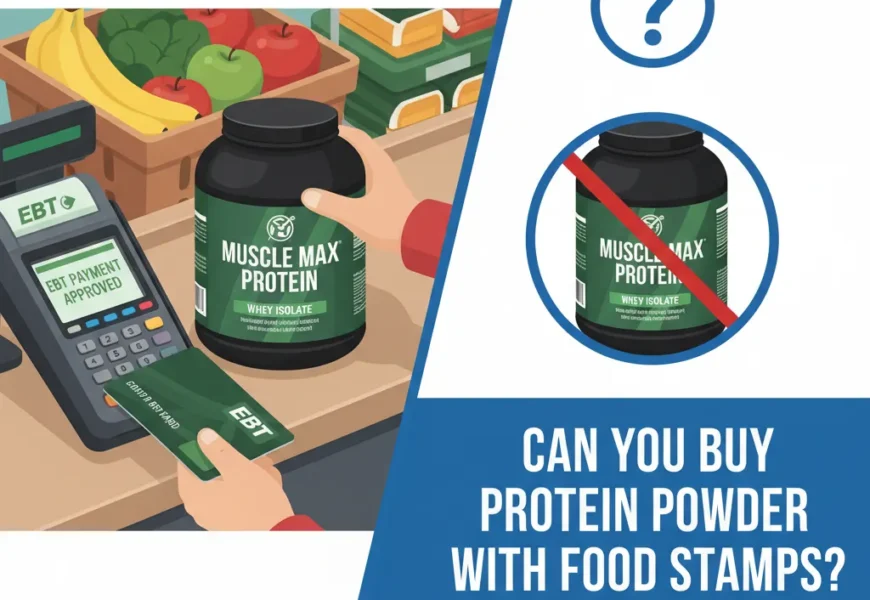
In an era where health and nutrition are at the forefront of many people’s minds, questions about accessing essential dietary items through government assistance programs are common. One such query that frequently arises is whether protein powder can be purchased using food stamps, officially known as the Supplemental Nutrition Assistance Program (SNAP) benefits. As of 2026, the answer is a qualified yes: it depends on the product’s labeling and classification. This article delves deep into the intricacies of SNAP eligibility for protein powder, exploring the rules, examples, benefits, alternatives, and practical tips for shoppers. We’ll break it down step by step to help you navigate “Can you buy protein powder with food stamps?” topic with confidence.
Understanding SNAP: The Basics of Food Assistance
The Supplemental Nutrition Assistance Program, or SNAP, is a federal initiative administered by the U.S. Department of Agriculture (USDA) designed to help low-income individuals and families afford nutritious food. Formerly known as “food stamps,” SNAP provides benefits via an Electronic Benefits Transfer (EBT) card, which works like a debit card at authorized retailers. In 2026, SNAP serves millions of Americans, with average monthly benefits hovering around $200 per person, adjusted for household size, income, and location.
SNAP’s primary goal is to combat food insecurity by enabling the purchase of essential foods. However, not everything edible qualifies. The program emphasizes “staple foods” that contribute to a balanced diet, such as fruits, vegetables, dairy, grains, and proteins. This focus stems from SNAP’s origins in the 1930s as part of the Agricultural Adjustment Act, evolving through the Food Stamp Act of 1964 to its current form. Over the years, eligibility rules have been refined to prioritize nutrition while excluding non-essential or luxury items. Today, with rising awareness of fitness and wellness, items like protein powder have entered the conversation, blurring the lines between food and supplements.
Protein, as a macronutrient, is crucial for muscle repair, immune function, and overall health. For SNAP recipients, who may face budget constraints, incorporating affordable protein sources is vital. But does protein powder fit into SNAP’s framework? Let’s explore the eligibility criteria.
SNAP Eligible vs. Ineligible Items: The Key Distinctions
To determine if protein powder qualifies, it’s essential to understand SNAP’s broad categories of allowable purchases. Eligible items include any food intended for human consumption at home, such as:
- Fruits and vegetables (fresh, frozen, or canned)
- Meat, poultry, fish, and dairy products
- Breads, cereals, and grains
- Snack foods and non-alcoholic beverages
- Seeds and plants that produce food (e.g., tomato seeds for home gardening)
These categories ensure SNAP supports a variety of dietary needs, from vegan to gluten-free options. For instance, alternative milks like almond or oat milk are allowed as dairy substitutes, and gluten-free pasta qualifies under breads and cereals.
On the flip side, ineligible items are those not considered essential foods or that fall outside SNAP’s nutritional focus. These include:
- Alcoholic beverages (beer, wine, liquor)
- Tobacco products
- Hot foods ready to eat at the point of sale (e.g., a rotisserie chicken from the deli)
- Non-food items like pet food, cleaning supplies, hygiene products, or cosmetics
- Vitamins, medicines, and dietary supplements
The last category is particularly relevant to protein powder. If a product is classified as a supplement—typically indicated by a “Supplement Facts” label—it cannot be purchased with SNAP benefits. This rule stems from the Food and Drug Administration (FDA) labeling requirements, where supplements are regulated differently from foods. Supplements are meant to “supplement” the diet, not serve as primary nutrition, and thus don’t align with SNAP’s mission.
However, many protein powders straddle this line. Some are marketed as meal replacements or food items, bearing a standard “Nutrition Facts” label, making them eligible. Others, positioned as fitness aids, use “Supplement Facts” and are off-limits. This distinction is crucial, as it affects not just powders but also related products like energy drinks, bars, and shakes.
Protein Powder Under SNAP: The Specific Rules
So, can you buy protein powder with SNAP? Yes, but only if it’s labeled as a food product with a “Nutrition Facts” panel, not as a supplement. The USDA clarifies that items with “Supplement Facts” are ineligible because they are considered dietary aids rather than staple foods. This rule applies uniformly across all states, though some retailers may have additional policies.
Why this labeling matters: The “Nutrition Facts” label is required for conventional foods and lists details like calories, macronutrients, and serving sizes in a standardized format. In contrast, “Supplement Facts” highlights active ingredients, often with claims about health benefits, and is used for vitamins, herbs, and similar products. For protein powders, those intended as meal replacements (e.g., to mix into smoothies or oatmeal) typically qualify, while pure workout supplements do not.
In 2026, no major changes have been made to these rules, though advocacy groups continue to push for broader inclusion of nutritional aids amid rising obesity and malnutrition rates. For now, shoppers must scrutinize labels carefully. If a protein powder has added vitamins or is marketed for “muscle gain” without a food context, it’s likely ineligible.
To illustrate the difference, consider these visual examples of labels on protein powder packaging:
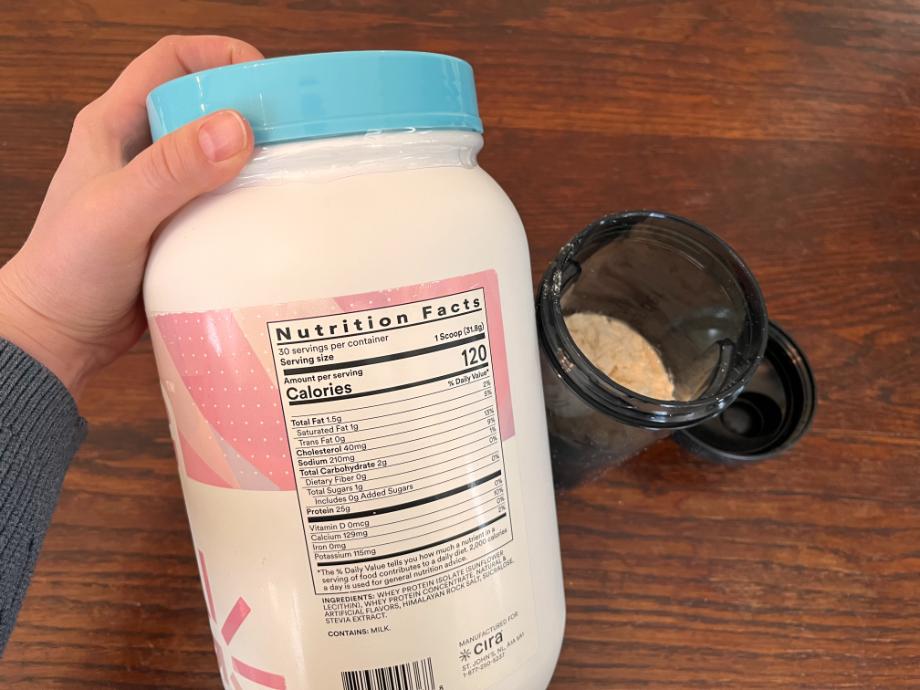
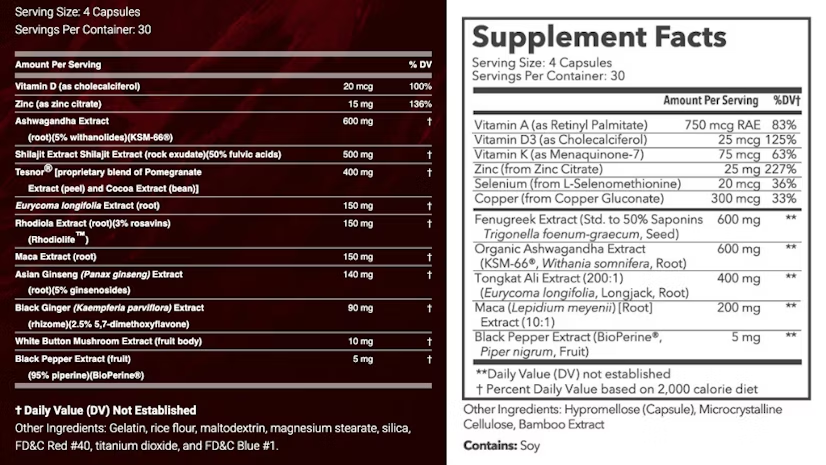
The first shows a typical “Nutrition Facts” label, while the second highlights “Supplement Facts”—only the former is SNAP-friendly.
How to Check if Protein Powder is SNAP-Eligible?
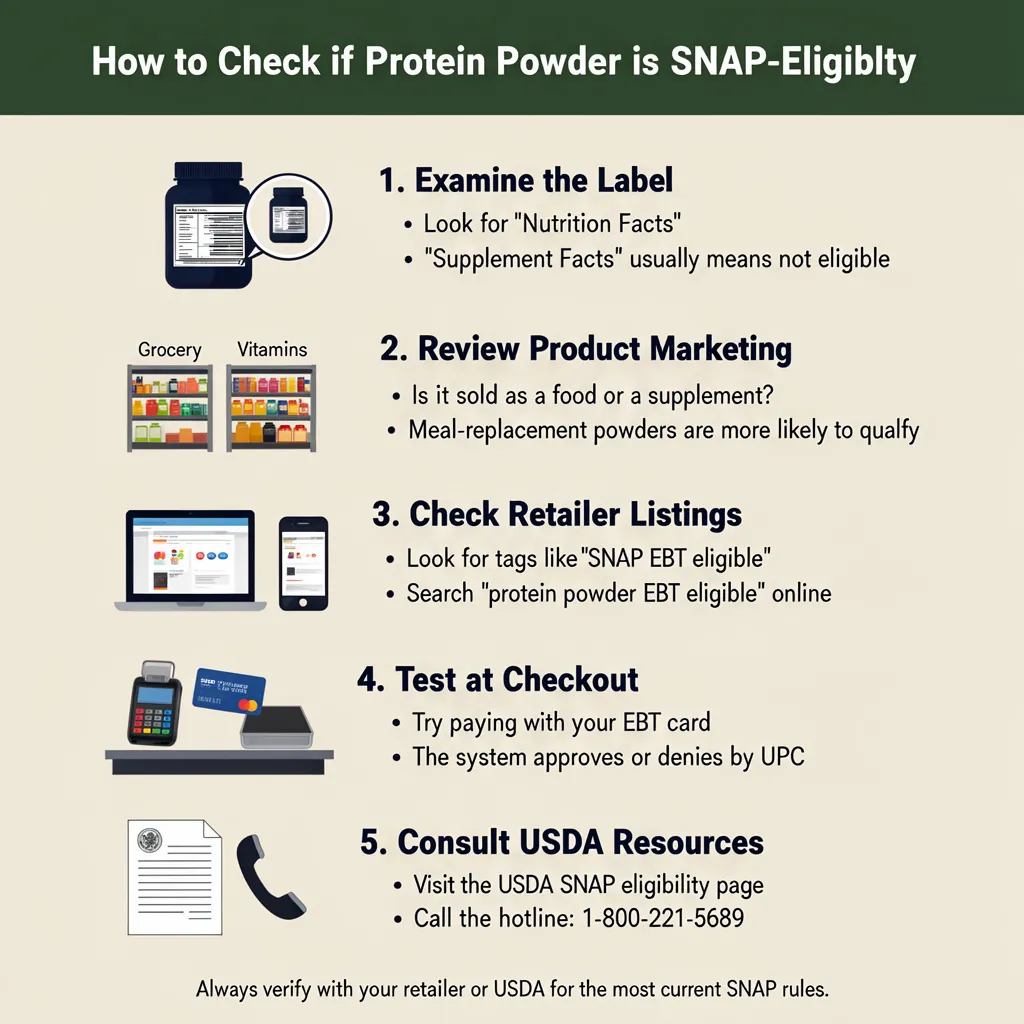
Checking eligibility is straightforward but requires attention to detail. Here’s a step-by-step guide:
- Examine the Label: Look for “Nutrition Facts” vs. “Supplement Facts.” If it’s the former, it’s likely eligible; the latter, not.
- Review Product Marketing: Is it sold as a food (e.g., in the grocery aisle) or a supplement (e.g., in the vitamin section)? Meal-replacement types are more likely to qualify.
- Check Retailer Listings: Many stores like Amazon, Walmart, and Target tag eligible items as “SNAP EBT eligible.” Search for “protein powder EBT eligible” online for options.
- Test at Checkout: If unsure, attempt to purchase with your EBT card—the system will approve or deny based on the UPC code.
- Consult USDA Resources: Visit the USDA’s SNAP eligibility page or call their hotline (1-800-221-5689) for clarification.
Tips for shopping: Opt for store brands or bulk options to stretch your benefits. Avoid online purchases from non-authorized sites, as SNAP online shopping is limited to participating retailers like Walmart, Amazon, and Aldi. Also, combine protein powder with other SNAP-eligible items like fruits for smoothies to maximize nutritional value. If you are interested in learning more about in health let’s check our new article on Can i have protein shake 2 days before Colonoscopy?
Examples of SNAP-Eligible Protein Powders
Fortunately, many popular brands offer eligible versions. Based on retailer listings and user reports, here are some examples as of 2026:
- Muscle Milk Pro Series Protein Powder: Available in flavors like Knockout Chocolate and Intense Vanilla. Features 50g protein per serving, low sugar, and vitamins/minerals. NSF Certified for Sport, ideal for recovery.
- Optimum Nutrition Gold Standard 100% Whey: Double Rich Chocolate or Vanilla Ice Cream. High-quality whey with 24g protein, supports muscle building.
- Premier Protein Powder: Vanilla Milkshake or Chocolate. 30g protein, keto-friendly, gluten-free.
- Isopure Zero Carb Whey Isolate: Unflavored or Creamy Vanilla. 25g protein, lactose-free.
- Orgain Organic Vegan Protein Powder: Vanilla Bean or Creamy Chocolate Fudge. Plant-based with 21g protein, USDA Organic, no added sugar.
Other user-favored options include Walmart brand, Fairlife, Protein2o, and Muscle Milk ready-to-drink shakes. Plant-based varieties like pea or hemp protein (e.g., Just Hemp Foods) and meal replacements from Garden of Life are also commonly eligible.
For visual reference, here are examples of popular SNAP-eligible protein powders:
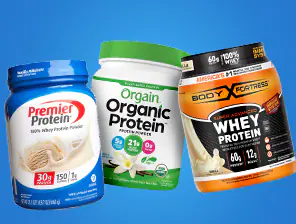
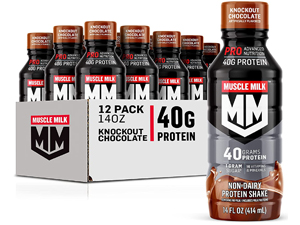
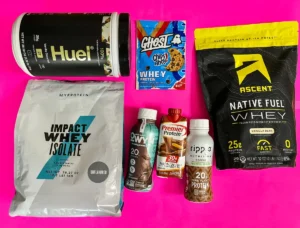
These products are widely available at stores like Target, Walmart, and Amazon, often under $30 for a tub.
The Nutritional Benefits of Protein Powder for SNAP Users
Protein powder isn’t just for gym enthusiasts; it’s a convenient way to boost protein intake, especially for those with limited access to fresh meats or dairy. Protein supports weight management, muscle maintenance, and satiety, which can help prevent overeating on less nutritious snacks. For SNAP recipients, who may rely on budget-friendly carbs, adding protein powder to meals like oatmeal or yogurt can create balanced, affordable options.
Studies show that adequate protein intake (about 0.8g per kg of body weight) reduces chronic disease risks, including diabetes and heart issues—prevalent in low-income communities. Eligible powders provide an easy, shelf-stable source, particularly useful for seniors, athletes, or vegetarians on SNAP. If you are interested in learning more about in health let’s check our new article on Can you have premier protein shakes on carnivore diet
Alternatives If Protein Powder Isn’t Eligible
If a desired powder doesn’t qualify, don’t worry—SNAP covers plenty of natural protein sources:
- Eggs, beans, lentils, and canned tuna (all eligible and cheap)
- Dairy like milk, cheese, and yogurt
- Nuts and seeds (if not hot or supplemented)
- Meat alternatives like tofu or tempeh
For supplement-like needs, consider Medicaid or community programs for vitamins. Or, mix your own “protein boost” with SNAP-eligible ingredients like peanut butter and oats.
Where to Buy SNAP-Eligible Protein Powder
Authorized retailers include grocery chains (Walmart, Kroger, Target), club stores (Sam’s Club, with membership), and online platforms (Amazon for SNAP users). Look for “EBT Eligible” tags. In 2026, expanded online options make it easier, but always verify labels in-store.
Recent Updates and Considerations for 2026
As of January 2026, SNAP rules remain stable, with no new inclusions for supplements despite calls for reform amid post-pandemic health focuses. However, pilot programs in some states allow SNAP for prepared meals or online delivery expansions. Stay informed via USDA alerts.
Conclusion: Empowering Choices with SNAP
In summary, yes, you can buy protein powder with food stamps if it bears a “Nutrition Facts” label and is not classified as a supplement. This opens doors to nutritious, convenient options for health-conscious SNAP users. By understanding the rules, checking labels, and exploring examples, you can make informed purchases that support your well-being without breaking program guidelines. If in doubt, consult official resources—SNAP is here to help you thrive.
Also check:
- Can you drink premier protein shakes while pregnant?
- Calories Burned in 1 & 2 Hour Gym Workouts: Guide
- What part does health play in the individual working life?


Start earning passive income—become our affiliate partner!
Turn your traffic into cash—join our affiliate program!
Refer and earn up to 50% commission—join now!
Earn recurring commissions with each referral—enroll today!
Invite your network, boost your income—sign up for our affiliate program now!