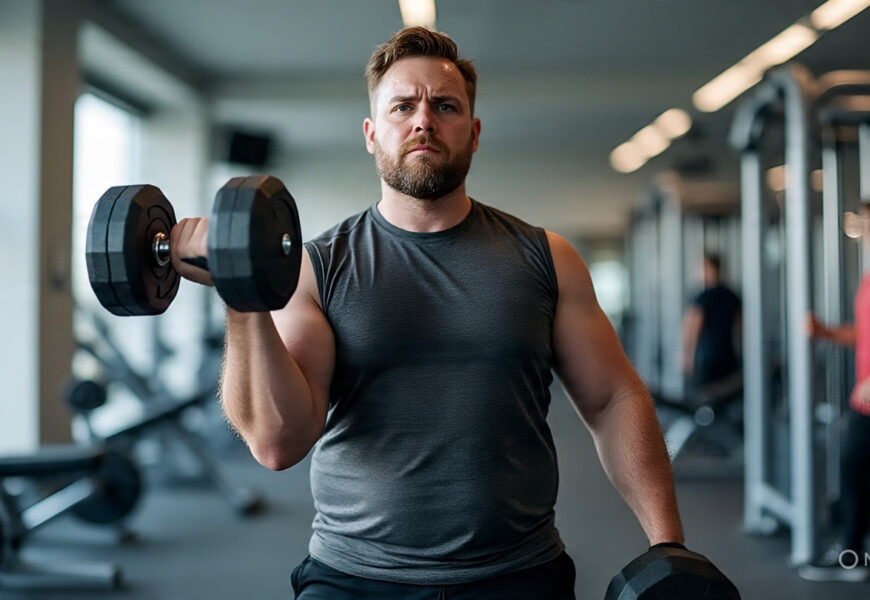
It is important to understand the number of calories you use when you are in the gym so that you can have a fitness and nutrition plan to achieve activities that are related to gaining weight, losing weight or just being healthy. The calories expended in one 1-hour or 2-hour exercise time at gym varies depending on many factors such as type of exercise, intensity, body weight, age, gender and fitness level. This guide covers all these factors, gives estimates on typical activities in the gym and offers tips to get you burning as many calories as possible.
Factors Affecting Calorie Burn
Several variables influence how many calories you burn during a gym session:
- Body Weight: The more a person weighs, the more calories he/she can burn since it takes more energy to act on his body mass.
- Exercise Intensity: The intensity of any given workout plays a key role since high-intensity workouts like HIIT or heavy weight exercising burn higher calories per minute compared to less intensive workouts like walking or stretching.
- Type of Exercise: Various muscle groups are worked by different activities and have different levels of energy demand, which influences overall expenditure of calories.
- Age and Gender: The metabolic rate of younger and men is usually higher resulting in a slight increase in the burning of calories.
- Fitness Level: Those who are fit can end up burning less calories when compared to doing the same activity as their bodies are more metabolic efficient.
- Duration: No doubt a 2-hour session burns more calories than 1-hour session, provided the session is of equal intensity.
Calorie Burn Estimates for Common Gym Activities
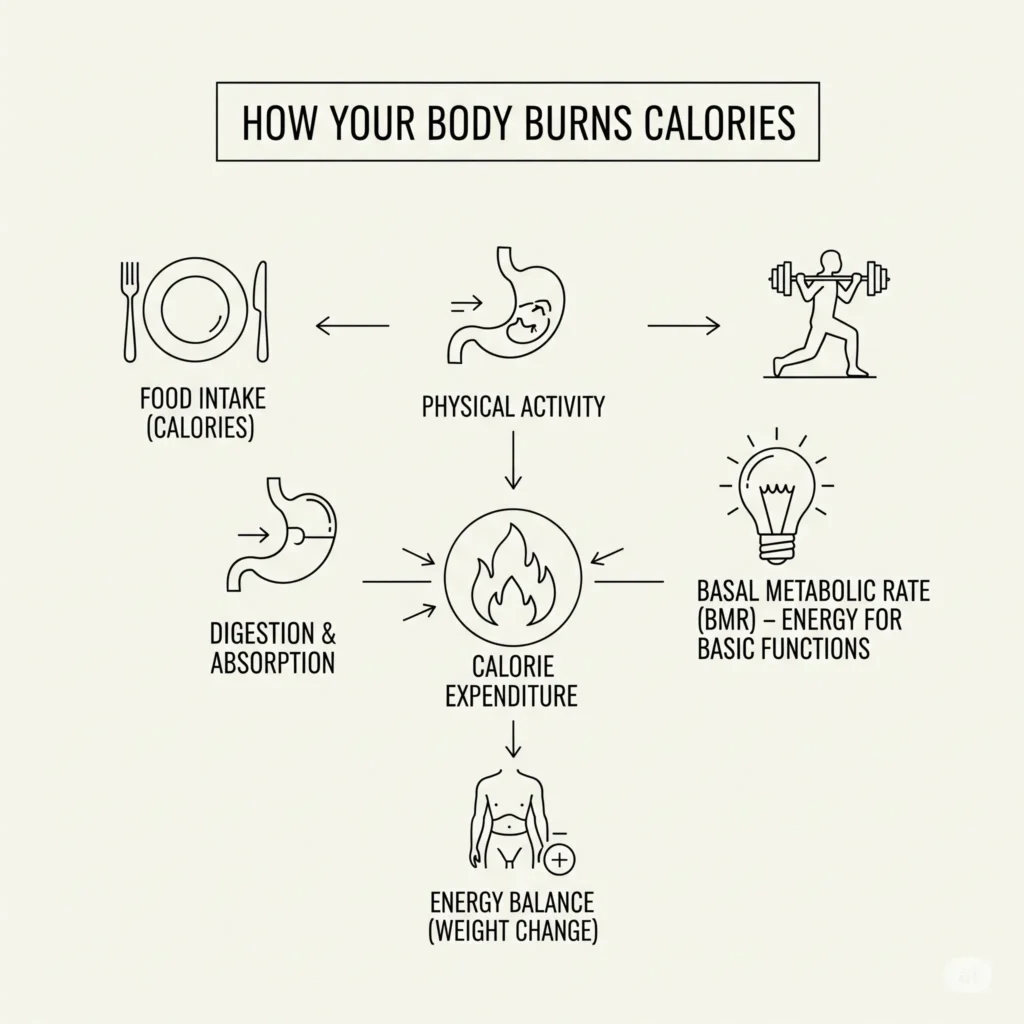
Approximate calorie estimates of 1 hour spent in a gymnasium by people of varying body weights are listed below based on the information available in Compendium of Physical Activities, and general values of MET (Metabolic Equivalent of Task). MET values measure the cost of energy of the activities and 1 MET is equal to energy used at rest. During a 2- hour session, you can estimate these estimates by about twice, although it is possible that the fatigue will decrease the effective intensity during the second hour.
1. Cardio Workouts
Cardio workouts increase the pulse and body burns substantial calories. A guess at a 1-hour period:
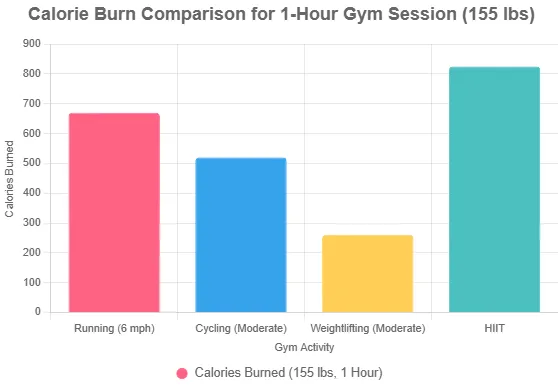
- Treadmill Running (6 mph, moderate pace):
- 125 lbs (57 kg): ~540 calories
- 155 lbs (70 kg): ~670 calories
- 185 lbs (84 kg): ~800 calories
- Stationary Cycling (moderate, 12–14 mph):
- 125 lbs: ~420 calories
- 155 lbs: ~520 calories
- 185 lbs: ~620 calories
- Elliptical Trainer (moderate effort):
- 125 lbs: ~450 calories
- 155 lbs: ~560 calories
- 185 lbs: ~670 calories
- High-Intensity Interval Training (HIIT):
- 125 lbs: ~600–720 calories
- 155 lbs: ~750–900 calories
- 185 lbs: ~900–1,080 calories
Note: HIIT calorie expenditure is varied since the exercise has alternating intense and non-intense times. HIIT You don t want to spend 2 hours at it, as it will be brutal but when you do stick it out, you can see 1.5-1.8x the 1 hour.
2. Strength Training
Weightlifting needs less calories per minute than cardio, yet it helps build muscle hence decimating resting metabolic rate as time passes.
- Moderate Weightlifting (circuit-style, minimal rest):
- 125 lbs: ~180–240 calories
- 155 lbs: ~220–300 calories
- 185 lbs: ~260–360 calories
- Heavy Weightlifting (intense, compound lifts like squats or deadlifts):
- 125 lbs: ~240–360 calories
- 155 lbs: ~300–450 calories
- 185 lbs: ~360–540 calories
The 2-hour session will not necessarily burn twice as many calories, thanks to the extended rests, but you should see a result of about 1.8 times that of the 1-hour sessions after an hour of continuous work.
3. Group Fitness Classes
Group classes are a perfect mix of cardio and strength parts with the different number of calories burned:
- Zumba or Dance-Based Classes:
- 125 lbs: ~400–500 calories
- 155 lbs: ~500–620 calories
- 185 lbs: ~600–740 calories
- Spin Class (vigorous):
- 125 lbs: ~500–600 calories
- 155 lbs: ~620–740 calories
- 185 lbs: ~740–880 calories
- Yoga (Vinyasa or Power Yoga):
- 125 lbs: ~240–300 calories
- 155 lbs: ~300–370 calories
- 185 lbs: ~360–440 calories
The 2-hour sessions will see calorie consumption almost doubled (but pace might not allow the second hour to be as intense).
4. Mixed Gym Session (Cardio + Strength)
The majority of the people that attend the gym, include both cardio and strength workouts. An average one-hour exercise may incorporate 30 minutes of cardio (e.g. treadmill at 6 mph), and 30 minutes of moderate weight lifting:
- 125 lbs: ~360–400 calories (270 from cardio + 90–120 from weights)
- 155 lbs: ~450–500 calories (335 from cardio + 110–150 from weights)
- 185 lbs: ~530–600 calories (400 from cardio + 130–180 from weights)
To approximate 2-hour mixed session (e.g. 1-hour cardio, 1-hour weights) depends on weight and intensity: 700-1, 200kcal.
Maximizing Calorie Burn in the Gym
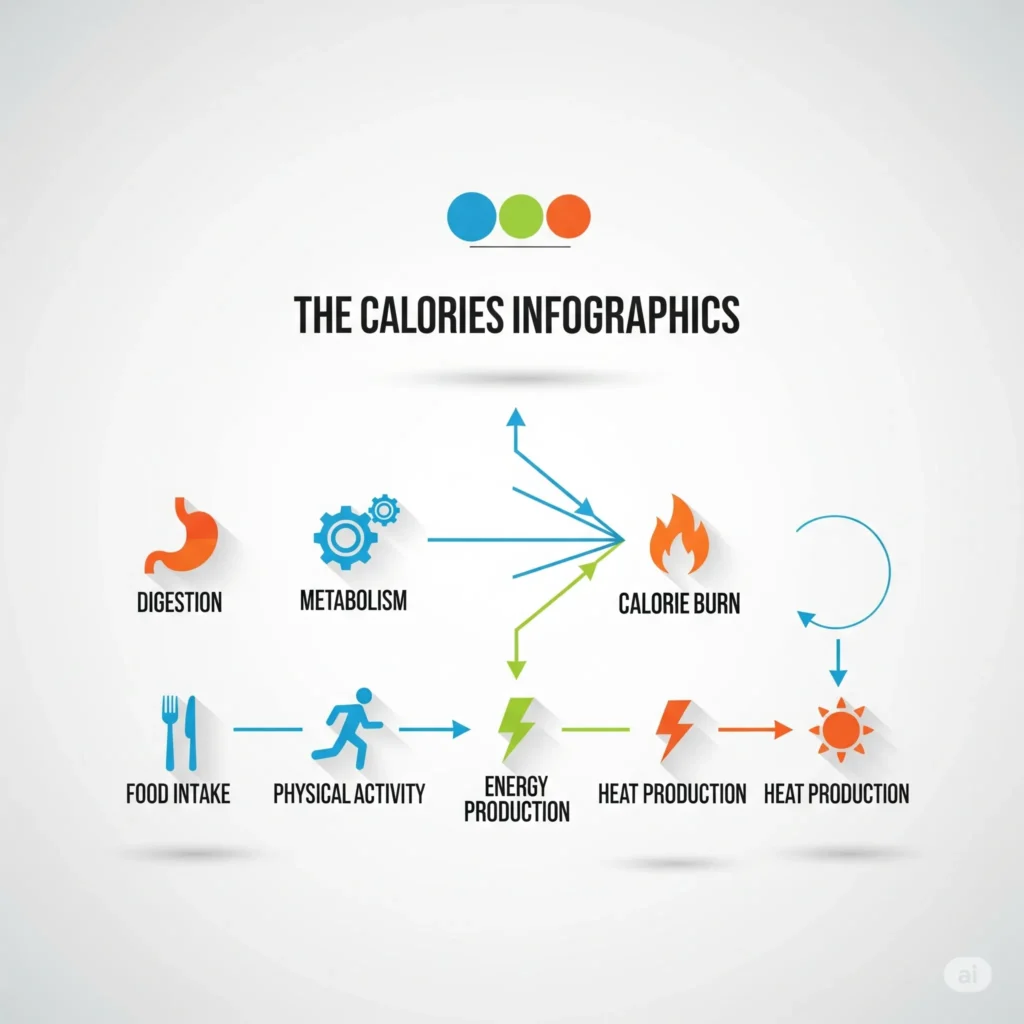
To burn more calories during your 1-hour or 2-hour gym session, consider these strategies:
- Incorporate HIIT: Alternate intense bursts of exercise (e.g. – sprinting) with low-intensity exercise (e.g. walking) or even rest to increase the expenditure of calories and post-stretch oxygen consumption (EPOC), which maintains metabolism heightened after the exercise session.
- Use Compound Movements: Compound movements such as squats, deadlifts, and bench presses use more than one muscle group and raise the calorie burn.
- Minimize Rest Periods: In strength training, short rest periods (30 s to 60 s) keep the rate of your heart elevated and reproduce the cardio effects.
- Combine Cardio and Strength: Moderate exercise burns more calories and boosts muscle and raises the metabolism long term.
- Stay Consistent: Sessions that last longer (e.g. 2 hours) cause more calories to be burned, yet make sure not to go to fast and burn out or get hurt.
- Track Intensity: A heart rate monitor or fitness tracker can help keep you in the right zone: burning the most calories working at 60 80 of your max heart rate.
Also visit our article on “health play in the individual working life”
Additional Considerations
- Post-Exercise Calorie Burn (EPOC): Workouts that are characterized by high-intensity activity lead to an afterburn effect, meaning that you burn more calories hours after your workout is over (particularly, HIIT and heavy lifting). Depending on intensity, this can be 50-200 extra calories on your total.
- Nutrition and Hydration: Fueling before and after workouts aids performance and recovery, which, among other benefits, permits a workout to be sustained and therefore leads to calorie expenditure.
- Individual Variations: Estimates of the calorie are averages. Personalized estimates can be done using a fitness tracker or using an online calculator (e.g. based on MET values).
- Rest and Recovery: Training that is too much is a determinant of reduced returns in 2-hour projects. Make sure you get enough rest to continue giving best.
Sample 1-Hour and 2-Hour Gym Plans
1-Hour Plan (Mixed Session, ~400–600 calories for 155 lbs)
- Warm-Up (5 min): Light jogging or dynamic stretching (~30–50 calories).
- Cardio (25 min): Treadmill at 6 mph (~280–335 calories).
- Strength (25 min): Circuit of squats, push-ups, and rows (~110–150 calories).
- Cool-Down (5 min): Stretching (~10–20 calories).
2-Hour Plan (Mixed Session, ~800–1,100 calories for 155 lbs)
- Warm-Up (10 min): Jump rope or elliptical (~60–80 calories).
- Cardio (50 min): HIIT on treadmill (sprint 1 min, jog 2 min) (~500–600 calories).
- Strength (50 min): Heavy compound lifts (deadlifts, bench press) with short rests (~220–300 calories).
- Cool-Down (10 min): Yoga or static stretching (~20–40 calories).
FInal thoughts
Depending on the type and intensity of exercise, whether it is a 1-hour gym session or a 2-hour gym session, the calories used up will differ according to the bodyweight which entails burning up to 200-800 calories and 400-1,600 calories respectively. Workouts that are cardio-intensive such as running or HIIT will burn the largest number of calories per minute, whereas strength training can elicit long-term metabolic improvements. Workout sets can be done by mixing exercises and ensuring high intensity combined with the progress so that one makes the most out of the gym work. To be safe and effective make sure to always consult with a fitness professional or nutritionist and to plan accordingly when it comes to longer sessions as well.
Also visit our article on “role of health in human capital formation“
Last modified: August 15, 2025